
The Blob (1988) and 12 Other Killer Effects Films
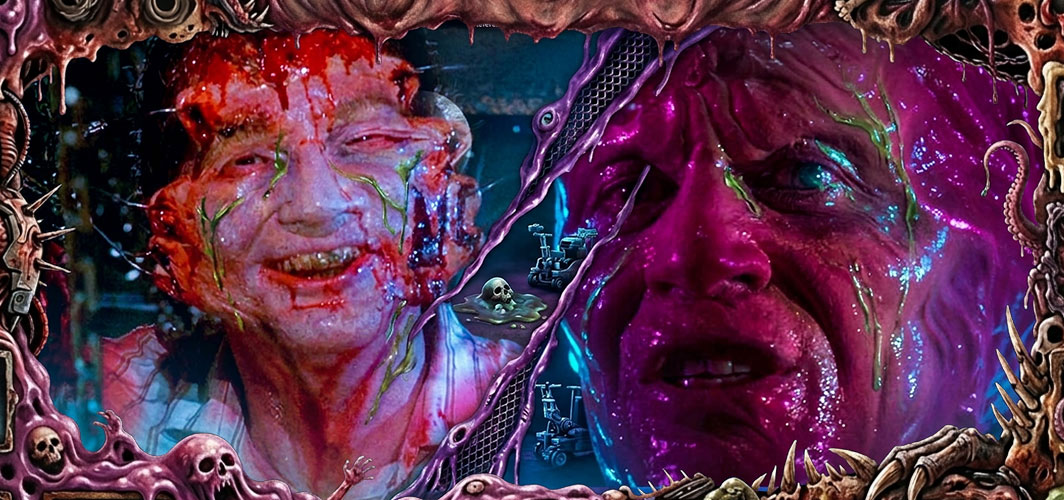
Practical effects are the beating heart of horror. Before digital clean‑ups and weightless monsters, artists had to build nightmares by hand, using foam latex, slime, miniatures, puppets, blood pumps and a worrying disregard for how unpleasant the working conditions might be. When it works, the results feel real in a way that still unsettles modern audiences. This article celebrates films where the effects do the heavy lifting, where the craftsmanship is as memorable as the kills. Looking at the practical effects that still manage to shock and thrill. Here are The Blob (1988) and 12 Other Killer Effects Films.
The Blob (1988)
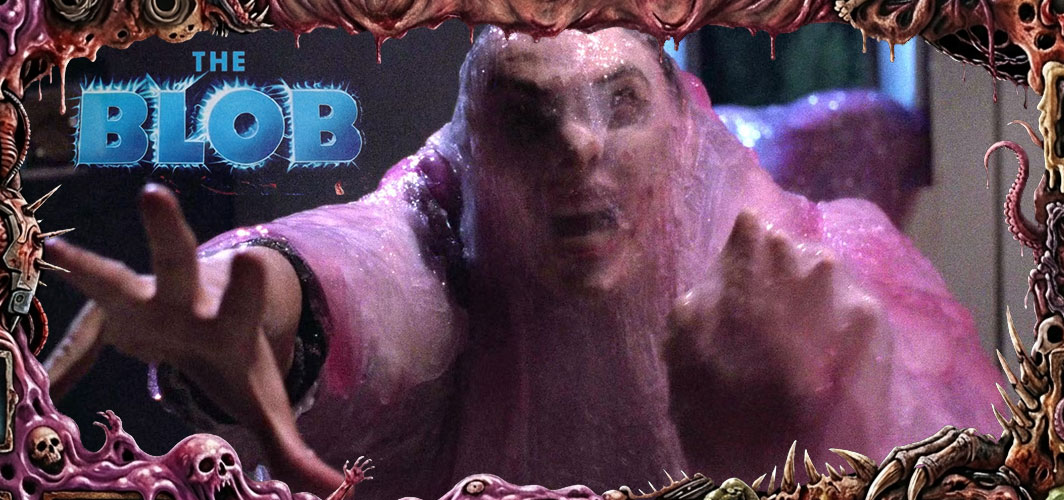
Chuck Russell’s remake of The Blob (1988) is often cited as one of the greatest horror remakes ever made, and the effects are the main reason why. This isn’t a polite update of a 1950s sci‑fi curio; it’s a mean, slimy, body‑melting monster movie that takes real pleasure in showing what happens when people meet something that digests them alive.
The Blob itself was created using a mix of puppetry, miniatures, silicone, and reverse photography, with effects overseen by Tony Gardner and Lyle Conway. The creature constantly changes shape, reacting to its victims rather than simply swallowing them whole. Arms snap, faces stretch, and bodies dissolve inside a translucent pink mass that always looks wet, heavy, and dangerously physical. The cinema projectionist death remains one of the nastiest surprises of late‑80s studio horror, not least because the film has already trained you to think nobody important is safe.
Unlike many creature features, The Blob (1988) lets its effects drive the pacing. Every new set‑piece finds a fresh way to show the Blob interacting with the environment, from sinks and sewers to phone booths and movie theatres. It is relentless, inventive, and still disgustingly fun.
The Thing (1982)
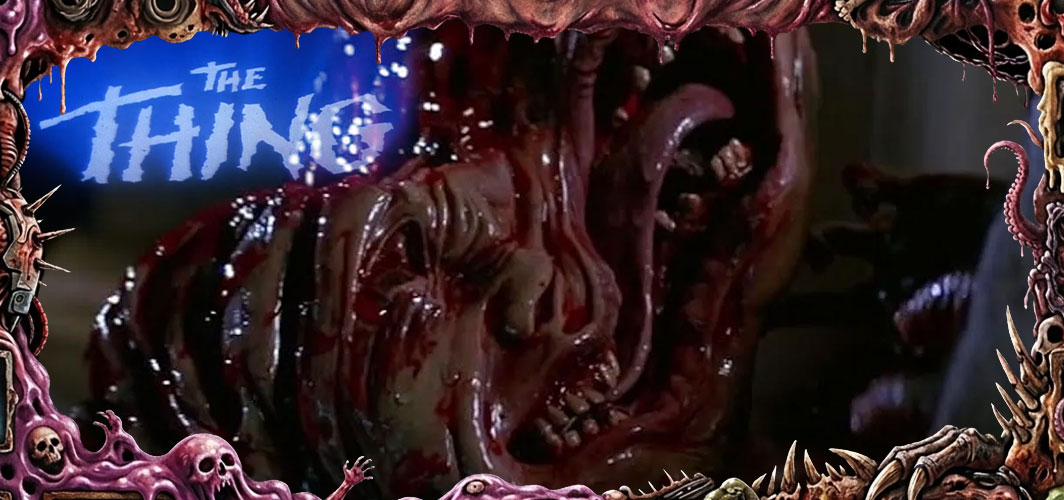
John Carpenter’s The Thing (1982) is the gold standard for practical effects horror. It’s a film where the fear doesn’t just come from isolation or mistrust, but from the knowledge that the human body itself is unstable.
The effects, created primarily by Rob Bottin with additional work by Stan Winston, push transformation horror to an extreme. Bodies split open, heads detach and sprout legs, chests become mouths. None of it feels ornamental. Every grotesque reveal reinforces the idea that the alien can be anyone, and that the human form offers no protection. The infamous defibrillator scene still provokes gasps because it feels sudden, violent, and horribly plausible within the film’s rules.
What makes the effects endure is their texture. You can see the strain, the tearing, the resistance of flesh. It’s ugly in the best possible way, and it perfectly matches the film’s bleak worldview.
The Fly (1986)
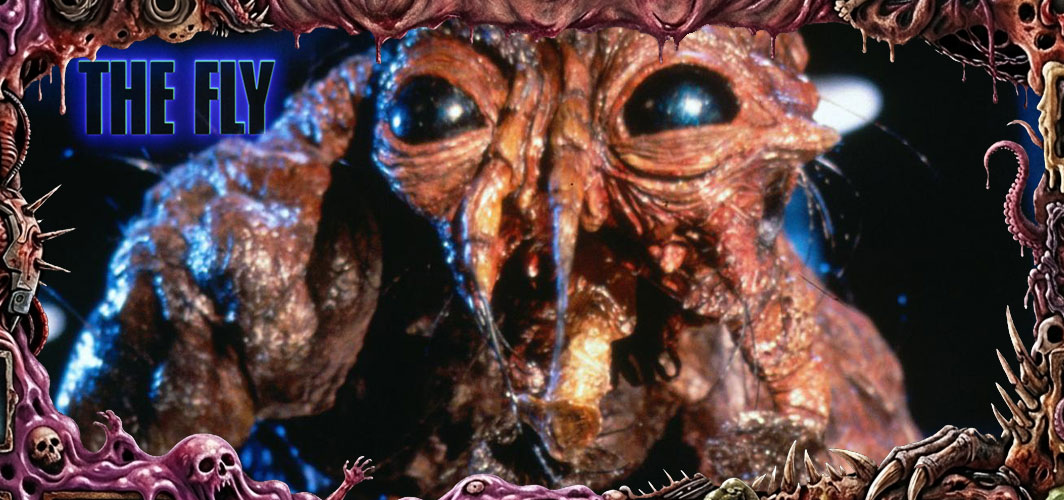
David Cronenberg’s The Fly (1986) is not just a showcase for effects, but a slow, devastating study of physical decay. The horror comes from watching Jeff Goldblum’s Seth Brundle fall apart piece by piece, fully aware of what is happening to him.
The transformation effects by Chris Walas are deliberately staged over time. Teeth fall out. Fingernails slough off. Skin changes texture and colour. By spacing the effects throughout the film, Cronenberg makes each stage of the metamorphosis feel inevitable rather than shocking for its own sake. When the full Brundlefly finally emerges, it’s tragic as well as horrifying.
This is body horror at its most intimate, using effects not just to gross out the audience, but to make them grieve.
An American Werewolf in London (1981)
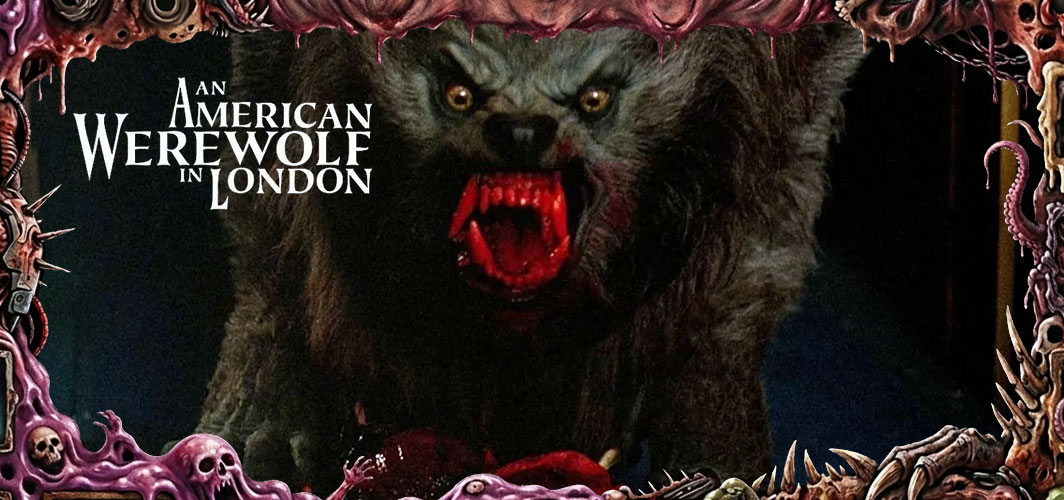
Few effects sequences have achieved the legendary status of the transformation in An American Werewolf in London (1981). Directed by John Landis and brought to life by Rick Baker, this scene changed expectations overnight.
What makes it so effective is its refusal to hide. The transformation happens in full light, with no rapid cuts or shadows to disguise the mechanics. Bones elongate, faces stretch, and hair erupts through skin as the body visibly reshapes itself. The scene is painful to watch because it looks painful to experience.
The rest of the film backs this up with convincingly gruesome attack scenes and beautifully realised werewolf designs, but it’s that first transformation that secured the film’s place in effects history.
The Evil Dead (1981)
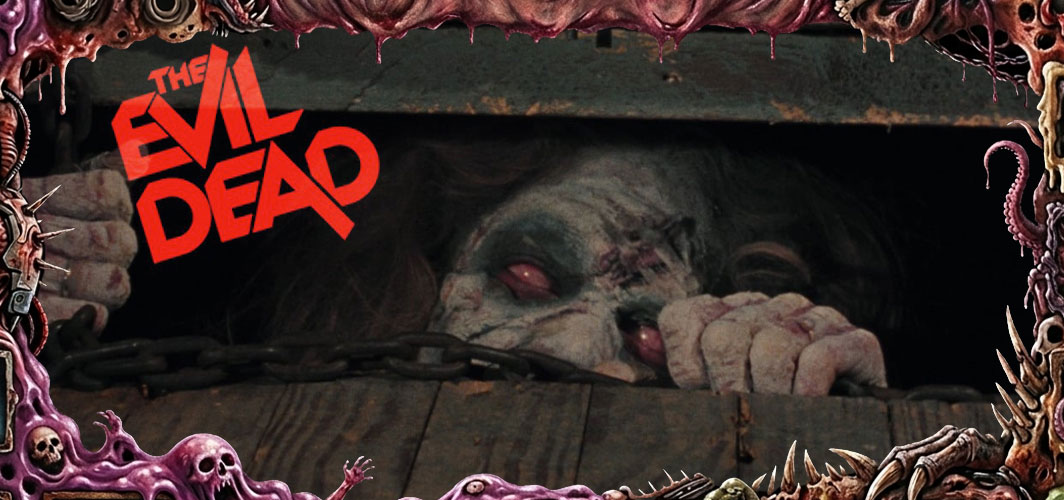
Sam Raimi’s The Evil Dead (1981) proves that imagination and commitment can compensate for a lack of money. Made on a shoestring, the film’s effects are messy, aggressive, and often genuinely unhinged.
DIY prosthetics, stop‑motion animation, gallons of fake blood, and sheer stubbornness combine to create a film that feels feral. Limbs are dismembered, faces rot in fast‑forward, and the environment itself seems hostile. The famous “shaky cam” shots weren’t just stylistic flourishes; they were practical solutions that added to the chaos.
The roughness of the effects is part of their power. They feel dangerous, like the film itself might come apart at any moment.
The Howling (1981)
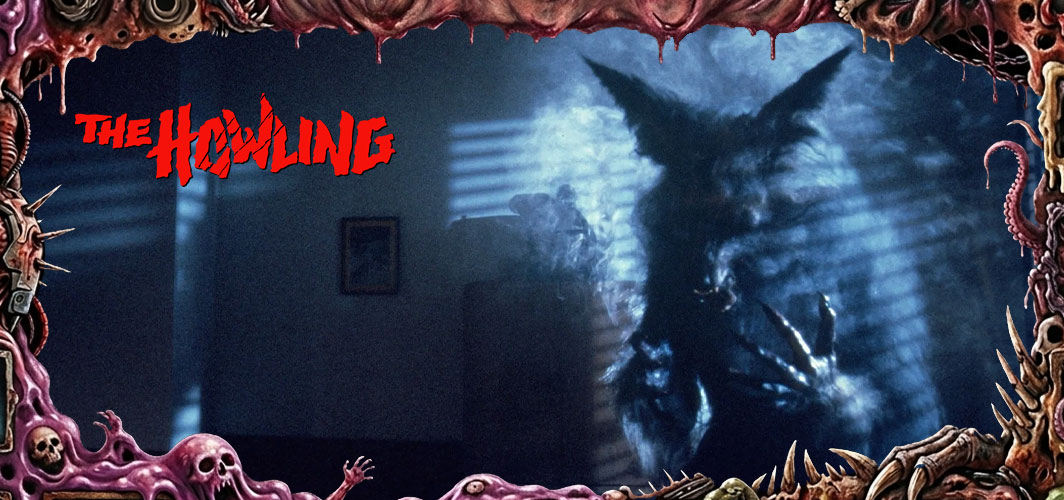
Released the same year as An American Werewolf in London (1981), Joe Dante’s The Howling (1981) offers a very different take on werewolf effects, and one that is no less impressive.
Rob Bottin’s transformation work here leans into exaggeration and surrealism. Faces bulge, muzzles push out, and bodies swell into monstrous shapes that feel barely contained by human skin. The effects are paired with a heightened tone that allows the film to flirt with satire without undermining the horror.
The result is a werewolf movie that embraces excess and delivers some of the most memorable creature work of the era.
The Void (2016)
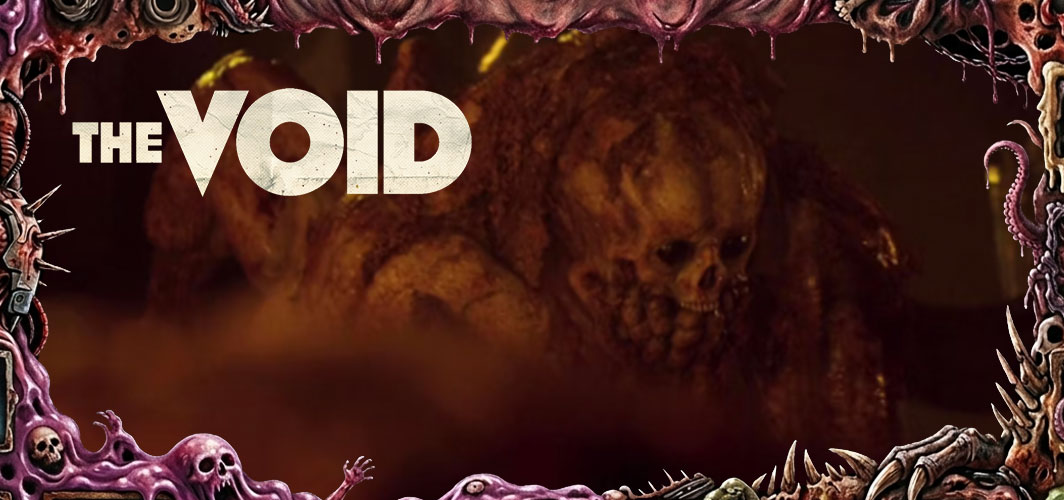
A modern entry that proudly wears its influences, The Void (2016) embraces practical effects at a time when many low‑budget horrors default to digital shortcuts.
Drawing clear inspiration from The Thing (1982) and H. P. Lovecraft, the film delivers cultists, monsters, and body mutations using prosthetics and suits that feel solid and weighty. The effects may not have the polish of big‑studio productions, but their physical presence gives the film a tactile menace that CGI often struggles to replicate.
For fans of old‑school creature horror, this one feels like a welcome throwback.
Hellraiser (1987)
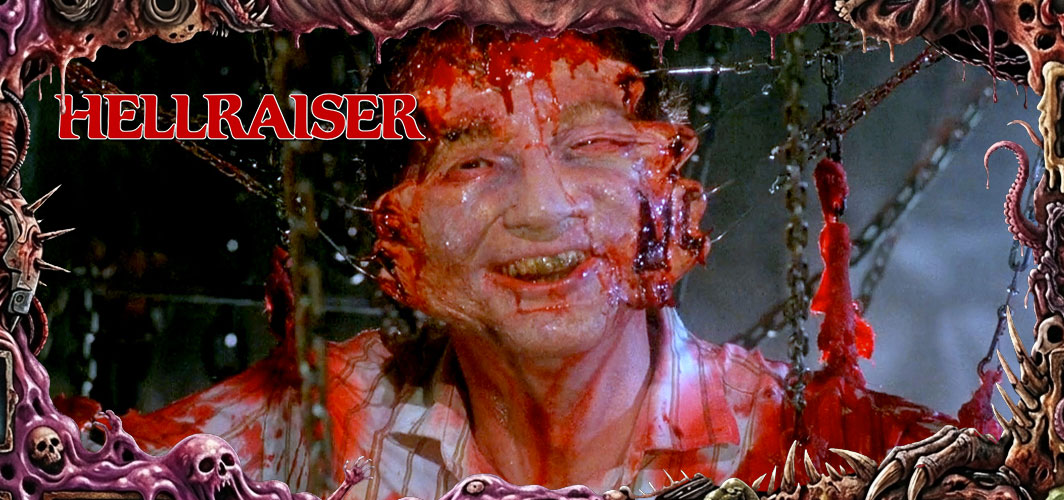
Clive Barker’s Hellraiser (1987) introduced audiences to a vision of horror rooted in flesh, pain, and ritual. The Cenobites may be iconic, but the film’s most impressive effects are saved for its resurrection scenes.
Frank’s gradual return to physical form — muscle, sinew, skin — is rendered in stomach‑churning detail using layered prosthetics and stop‑motion elements. The effect is slow, deliberate, and deeply unpleasant, exactly as intended.
These effects don’t just shock; they establish the film’s themes, turning the human body into a site of obsession and punishment.
From Beyond (1986)
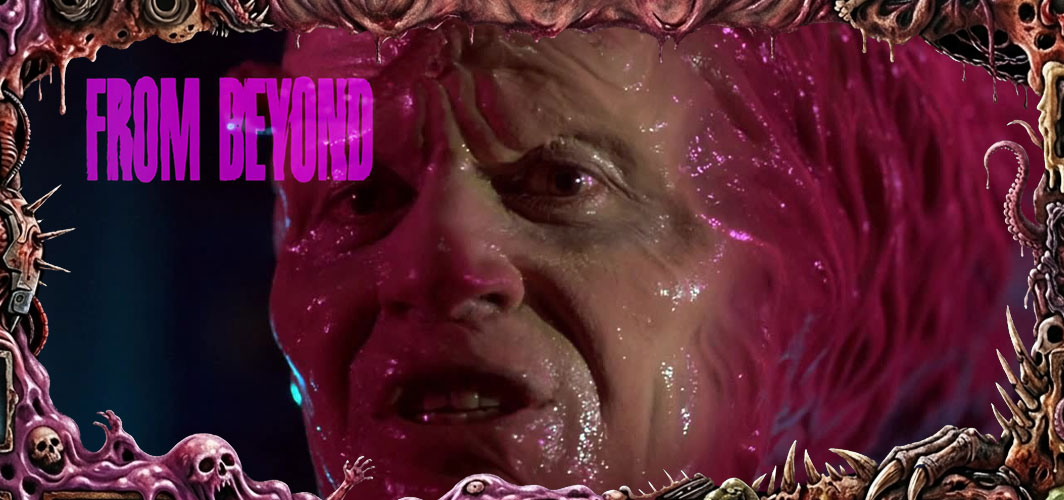
Stuart Gordon’s From Beyond (1986) is unapologetically gooey. Based on a story by H. P. Lovecraft, the film pushes its effects into overtly sexualised body horror territory.
Created by John Carl Buechler, the effects focus on glands, growths, and transformations triggered by exposure to another dimension. Bodies swell, mutate, and sprout new organs in ways that are equal parts absurd and disturbing. The practical nature of the effects makes the film’s excess feel tangible, even when it veers into pulp madness.
It’s a film that knows exactly how far it wants to push things, and then goes a bit further.
The Gate (1987)
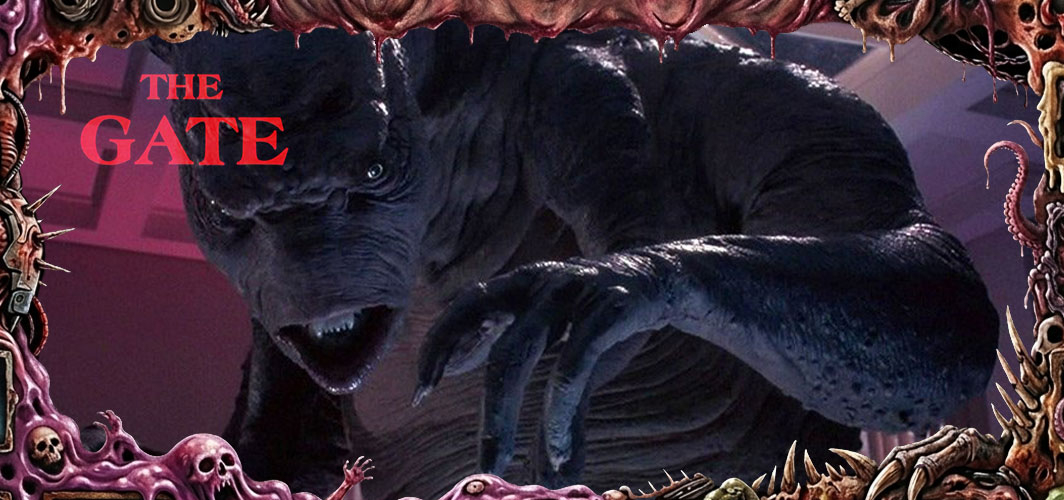
Don’t let its teen‑friendly reputation fool you: The Gate (1987) contains some remarkably dark effects work. The film uses stop‑motion creatures, forced perspective, and clever prosthetics to bring demonic nightmares into a suburban setting.
The standout moments involve small, goblin‑like demons and a horrifying eye‑in‑the‑hand sequence that wouldn’t feel out of place in a much nastier film. The effects are imaginative and unsettling, especially given the film’s comparatively light tone.
It’s proof that effects‑driven horror doesn’t have to be extreme to be effective.
The Stuff (1985)
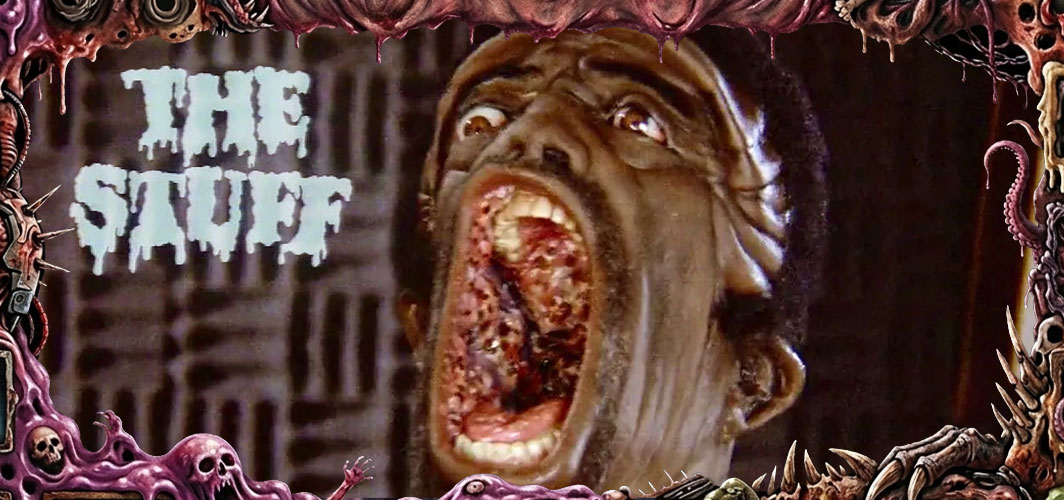
Larry Cohen’s The Stuff (1985) turns dessert into a death sentence. The titular substance — a sentient, delicious white goo — is realised through a mix of practical slime effects, miniatures, and simple optical tricks.
What makes the effects work is their restraint. The Stuff isn’t always overtly monstrous; often it just moves wrong, or bulges in ways it shouldn’t. When it does attack, the physicality sells the idea that this is something alive and malicious hiding in plain sight.
It’s a perfect example of how smart effects can support satire without undermining the horror.
Braindead (1992)
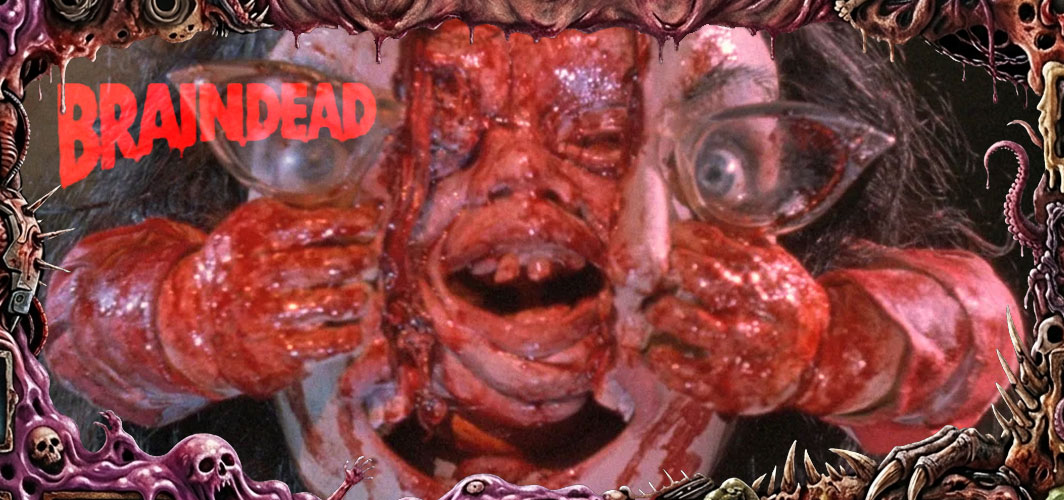
Also known as Dead Alive (1992), Peter Jackson’s Braindead (1992) is a splatter film taken to its logical, ridiculous extreme.
The practical effects escalate relentlessly, culminating in a finale so soaked in fake blood that it feels almost abstract. Prosthetics, puppets, and mechanical rigs are pushed beyond reason, creating gore that is cartoonish yet impressively engineered.
It’s excessive, joyous, and impossible to forget — a film that treats practical effects as both craft and spectacle.
Society (1989)
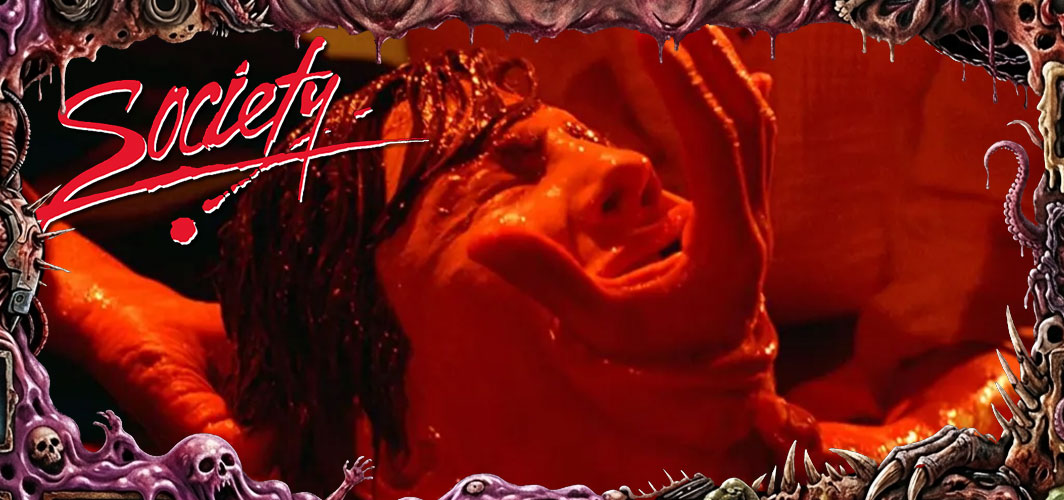
If you want proof that practical effects can still shock jaded audiences, look no further than Society (1989). Brian Yuzna’s film saves its effects showcase for the final act, and when it arrives, it goes completely off the rails.
The infamous “shunting” sequence uses latex suits, puppetry, and gallons of slime to depict bodies merging, folding, and reconfiguring in ways that feel deeply wrong. Faces sink into chests, limbs emerge where they shouldn’t, and social satire collapses into full‑body absurdity.
It’s grotesque, hilarious, and unforgettable — a reminder that effects can be transgressive as well as impressive.
Hey Horror Fans - Practical effects may no longer dominate mainstream horror, but films like these prove why they still matter. They age, they CRACK, they wobble, and that’s exactly why they feel alive. When horror gets its hands DIRTY, the results tend to STICK. Sometimes literally.
Keep Rotten"
"Morti" The Mortician
(The Editor)
Recent Post


Follow Your Fear!
Special Features

Screams to Screens: Horror Legends in TV Commercials

Certainty Is The Monster: Why the Scariest House is Built by Your Own Mind

Rethinking The Terminator: How “John PRIME” Reshapes Sci-Fi’s Greatest Paradox

10 Creepy & Unsettling Websites Every Horror Fan Needs to Visit

American Horror Story 13: Returning Characters, Cast and Everything We Know So Far