
HorrorLand Tales: Here are 12 Insanely Terrifying Goosebumps Stories
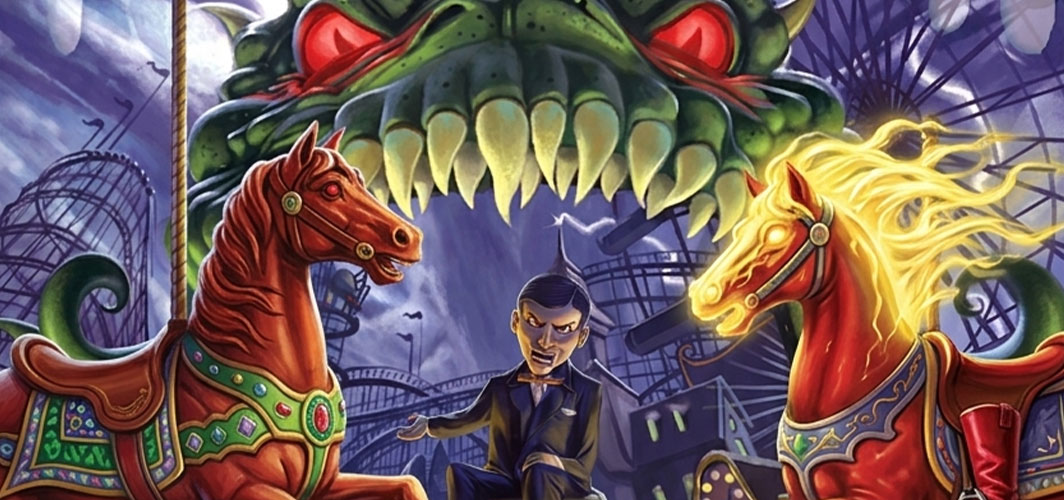
Creature, critters and cursed curios, Goosebumps HorrorLand wanted them all. Serving as a revival of the original Goosebumps brand about five years after R. L. Stine closed out the original Goosebumps series, the new books blended the franchise’s signature ingredients, ordinary preteen protagonists, darkly comic scares and a twist ending, with an ambitious, serialized plot that turned HorrorLand itself into the chief antagonist.
So, what is HorrorLand? HorrorLand began as an evolution of R. L. Stine’s earlier Goosebumps concept of a sinister amusement attraction first seen in One Day at HorrorLand and later referenced in Return to HorrorLand. Knowing he had a great location with endless possibilites, Stine expanded that premise into a full series concept: a vast, themed park run by monstrous “Horrors” that could act as a crossover playground for villains and heroes from across the Goosebumps canon.
HorrorLand turned Stine’s scattered scares into one roaring crossover carnival, and some of the series’ best moments come from familiar foes colliding. The Haunted Mask saga returns when Carly‑Beth’s terrifying legacy bleeds into the park’s attractions, giving that storyline new teeth as her mask‑borne menace intersects with other guests’ nightmares. Equally striking is the return of Slappy and the living dummies: the puppet’s presence reverberates through multiple books, transforming a single creepy‑toy tale into a recurring, park‑wide threat that manipulates events and other villains. These reappearances do more than supply nostalgia; they raise the stakes by letting old grudges and unfinished business play out on HorrorLand’s stages, rewarding long‑time readers while remaining immediately menacing to newcomers.
HorrorLand closes the circle between standalone chills and an ongoing nightmare. By stitching familiar villains into a single, dangerous playground, Stine renewed Goosebumps for a new generation while giving long‑time fans the payoff of crossover showdowns and lingering mysteries. Whether you come for a quick scare or the full serial thrills, HorrorLand proves that a well‑designed fear, like a theme‑park ride, is more fun when you dare to ride it together.
Below are twelve essential HorrorLand instalments — each chapter peels back a story and its central creature, from dummies and masks to pirates and ooze. Here is - HorrorLand Tales: Here are 12 Insanely Terrifying Goosebumps Stories.
Revenge of the Living Dummy (2008)
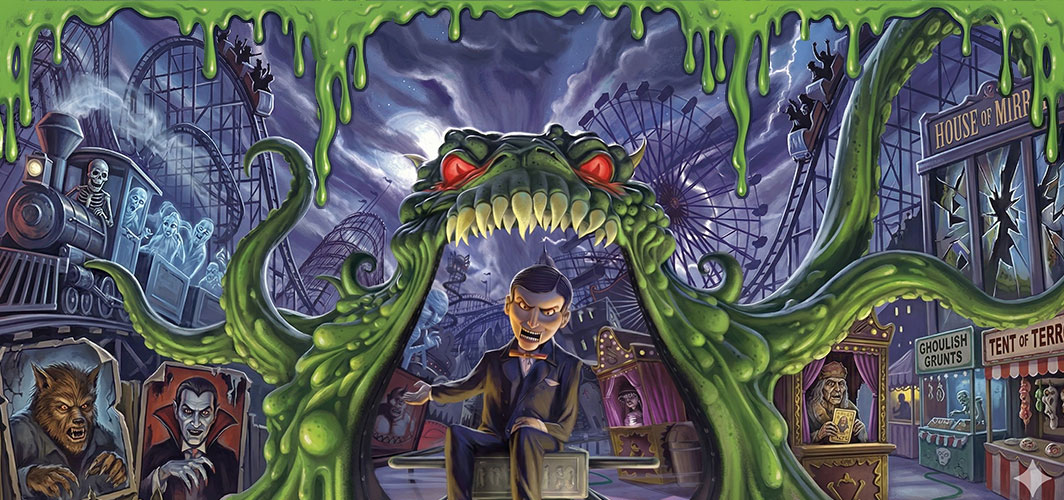
Revenge of the Living Dummy reintroduces one of Goosebumps’ most iconic menaces and sets the tone for the HorrorLand experiment: familiar scares, quick pacing and the promise of bigger crossovers to come. The book centres on the living dummy legacy, an uncanny, malevolent puppet that delights in manipulation and chaos. Slappy’s kin (or Slappy-like dummies) return in various guises, reminding readers that the creepy toy that once haunted a single household can become a park-wide hazard. As an opener, this story reasserts the Living Dummy saga as a serial threat and makes clear that HorrorLand will reuse and escalate classic Goosebumps monsters rather than retire them.
Creep from the Deep (2008)
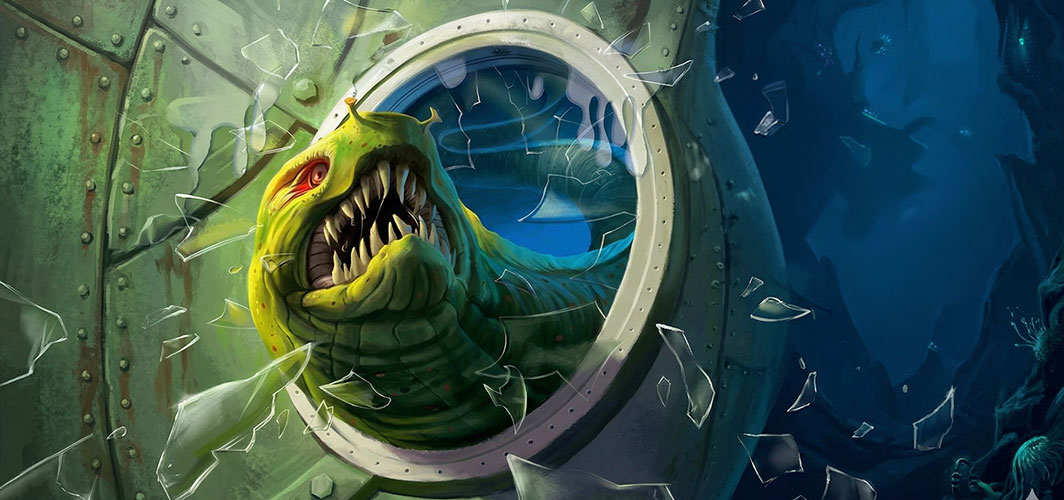
Creep from the Deep taps into the franchise’s nautical nightmares, bringing back the pirate menace of Captain Long Ben One‑Leg. The Deep siblings’ encounter with ghostly pirate vengeance links the old seafaring scares to HorrorLand’s attractions, showing how the park remodels previous monsters into immersive set pieces. The pirate’s revenant cruelty, anchored in revenge and supernatural persistence, becomes part of HorrorLand’s carnival of recurring threats, proving that past Goosebumps villains can be recycled into fresh, theme‑park horrors.
Monster Blood for Breakfast! (2008)
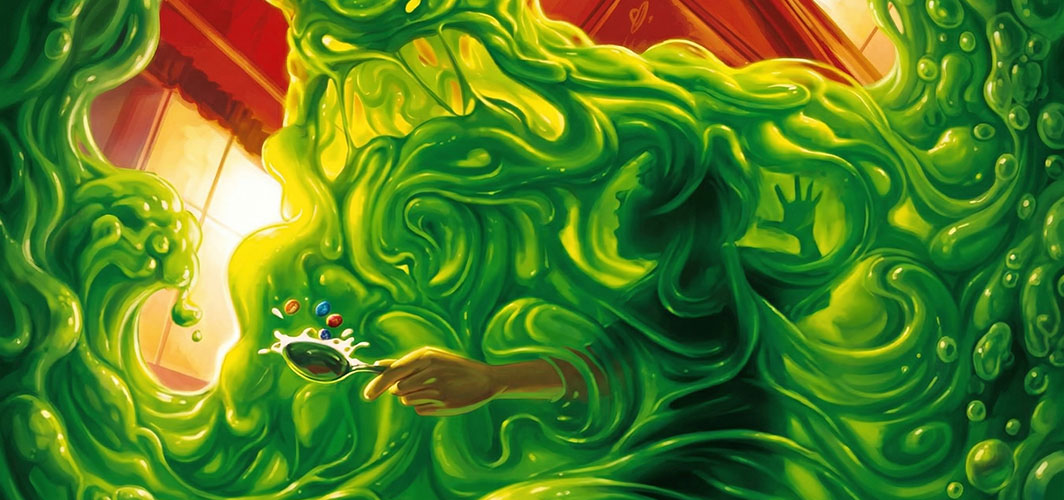
Monster Blood for Breakfast! revives the gooey, uncontrollable menace of Monster Blood in a modern, mischief‑driven tale. Here the green sludge returns as an agent of bodily chaos and comic terror: pranks escalate, the substance’s biology runs amok, and its unpredictable appetite forces characters to improvise. The story reminds readers why Monster Blood is a staple of the series, its slimy, mutable nature is ideally suited to set pieces and to the more grotesque side of HorrorLand’s attractions.
The Scream of the Haunted Mask (2008)
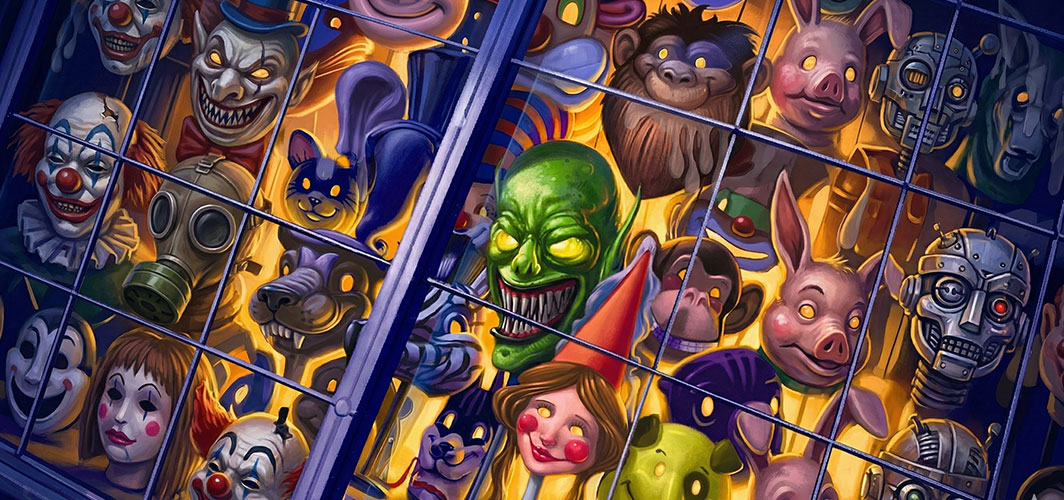
The Scream of the Haunted Mask revisits Carly‑Beth’s torment and expands the Haunted Mask myth into the park’s territory. The mask’s psychological hold, transforming identity and amplifying rage, becomes a haunting force within HorrorLand’s attractions, where it preys on vulnerability and vanity alike. By pulling the Haunted Mask into the crossover fold, the series deepens continuity and creates tense moments where past trauma collides with new terrors, forcing both returning characters and newcomers to confront the mask’s brutal psychology.
Dr. Maniac vs. Robby Schwartz (2008)
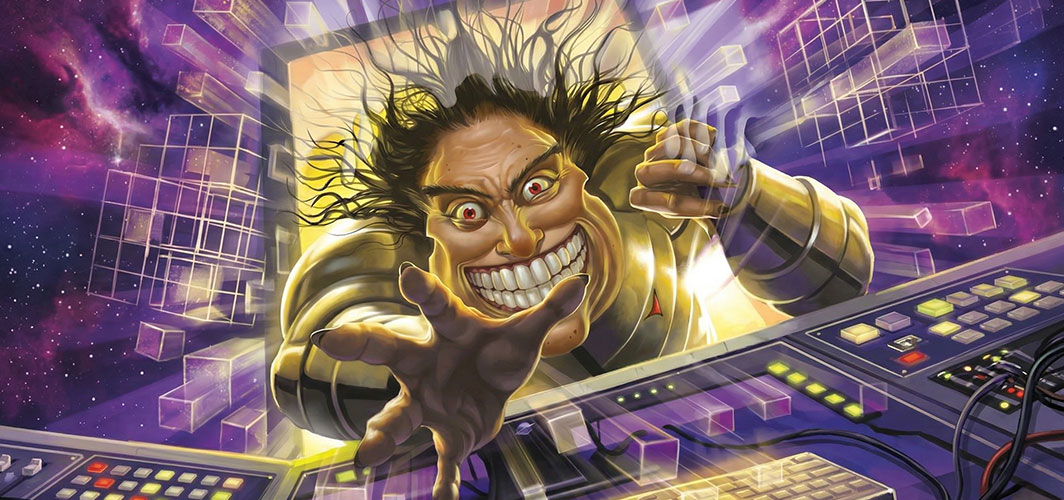
Dr. Maniac vs. Robby Schwartz takes a comic‑book conceit and warps it into real danger. Robby’s fictional supervillain, Dr. Maniac, leaps from the page into life, dragging a battle of imagination versus reality through the neighbourhood and into HorrorLand. The monster here is as much the grotesquely obsessive villain as the idea of creative fantasies turning lethal. This book shows how HorrorLand’s reach extends beyond monsters to the consequences of imagination itself, where fictional creations can be weaponised against their makers.
Who’s Your Mummy? (2009)
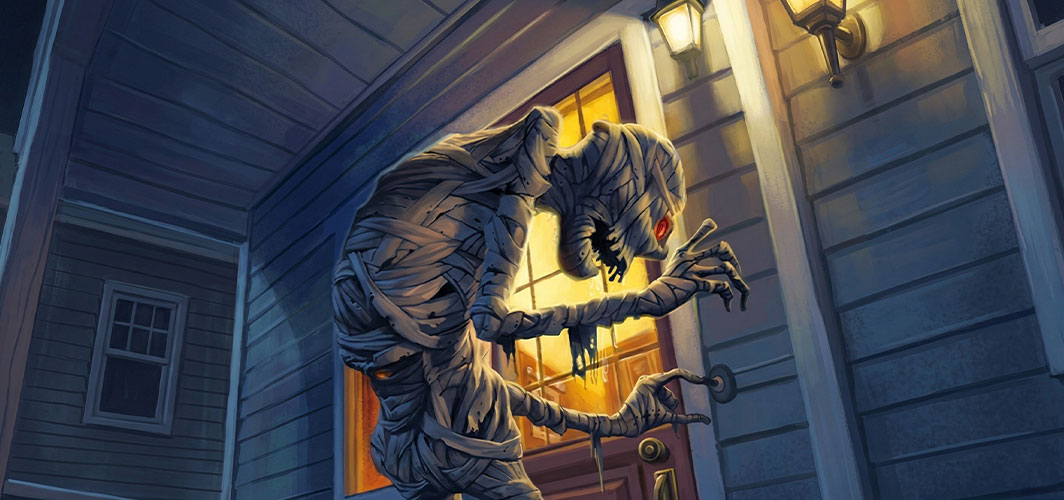
Who’s Your Mummy? mines ancient curses and Egyptian spectacle, bringing mummies and tombly menace into contemporary suburban life before folding those threats into HorrorLand. The book’s creatures, mummified guardians and reawakened corpses, play on the classic mummy trope: slow, inevitable, and bound by ancient will. In the HorrorLand context, these undead guardians become another ride in the park’s catalogue of thematic terrors, showing how classical monsters retain punch when recontextualised as interactive attractions.
My Friends Call Me Monster (2009)
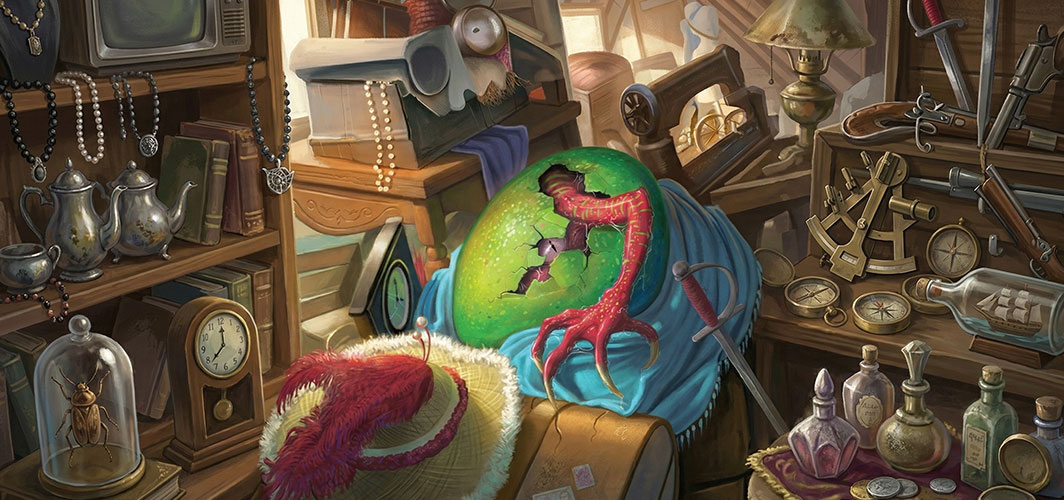
My Friends Call Me Monster blends body‑horror and identity change, centring on a monstrous transformation that unfolds from an everyday grievance. The titular “monster” comes from an egg discovered in an attic, an incubator for the uncanny, which leads to creeping otherness and escalating physical change. This story’s creature is disturbing because it’s familiar and domestic at first: a monster born inside a house, then paraded through HorrorLand’s labyrinths. It highlights Stine’s strength at making the ordinary resemble the abject.
Say Cheese and Die Screaming! (2009)
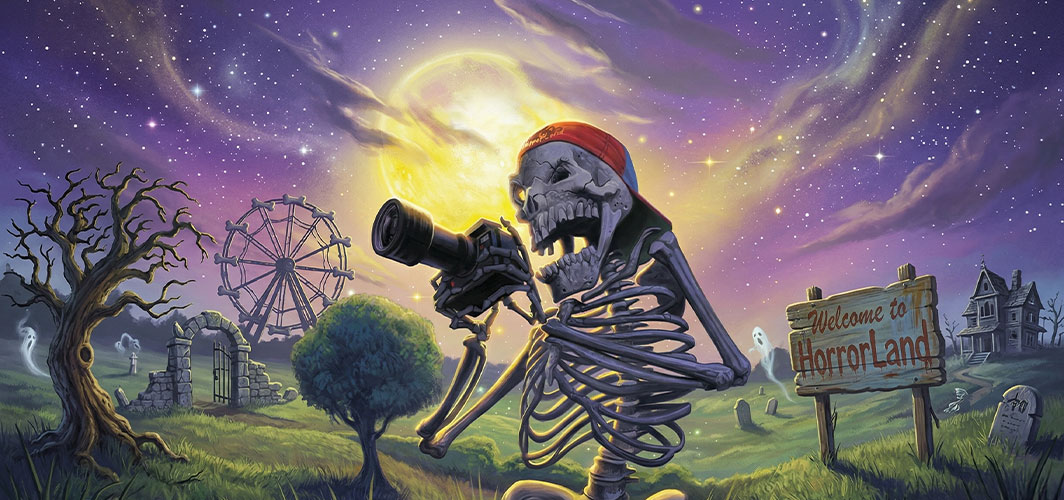
Say Cheese and Die Screaming! retools a classic Goosebumps premise, the cursed camera, into a modern, image‑obsessed narrative. The camera’s power to predict and cause doom through photographs is both clever and creepy; its revealed horrors appear in sharp, cinematic beats. In HorrorLand the camera’s effects translate into visual nightmares on the park’s rides, where images become traps and photos become evidence of things you’d rather forget. The monster is technological and supernatural in one: a lens that sees fate and enacts it.
Welcome to Camp Slither (2009)
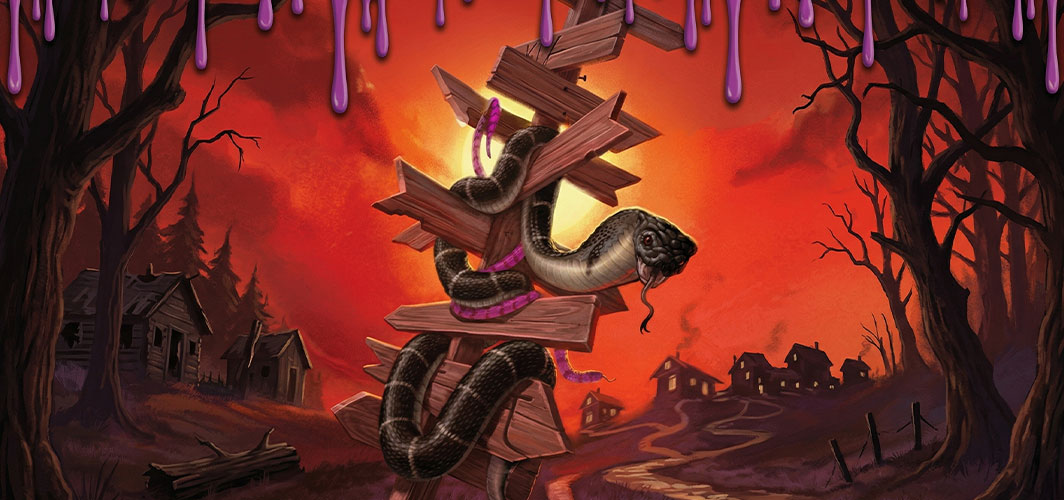
Welcome to Camp Slither feeds on primal ophidiophobia. The snake infestations and serpentine tricks at the heart of this book turn a summer‑camp setting into a claustrophobic nest of coils and fangs. Snakes in Goosebumps are visceral threats; silent, sudden, and intimately invasive, and when their motif migrates to HorrorLand, the park’s snake‑themed attractions gain an atmosphere of cold, slithering menace. Boone and Heather’s story is a reminder that simple animals, when weaponised, are as unnerving as ghosts or ghouls.
Help! We Have Strange Powers! (2009)
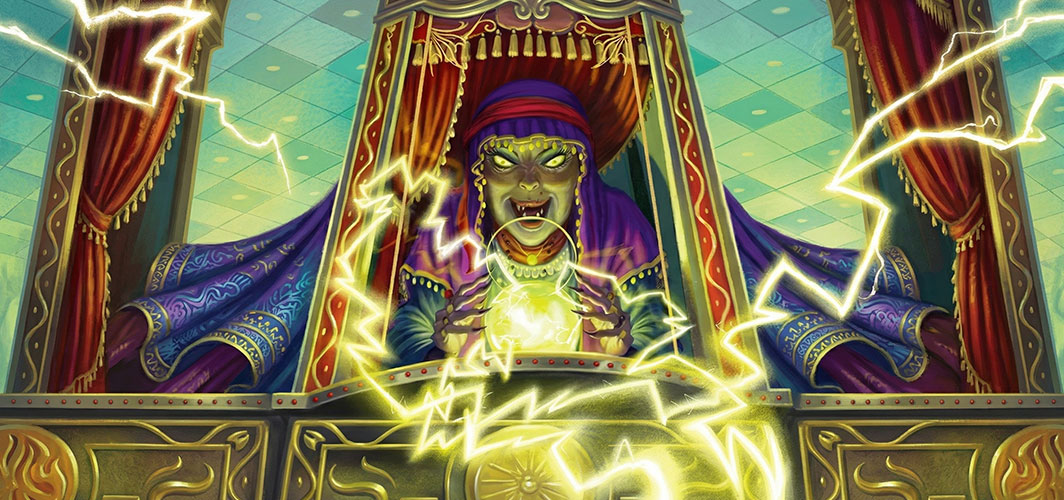
Help! We Have Strange Powers! explores the fear of losing control through the lens of sudden superpowers. The twins’ bizarre abilities attract the attention of sinister forces—Inspector Cranium and his organisation—and then pull the protagonists into HorrorLand’s orbit. The threat here is twofold: the powers themselves, which cause alienation and danger, and the human villains who seek to exploit them. This book shows HorrorLand’s versatility, able to house stories about both monstrous beings and the monstrous behaviour of people.
The Streets of Panic Park (2009)
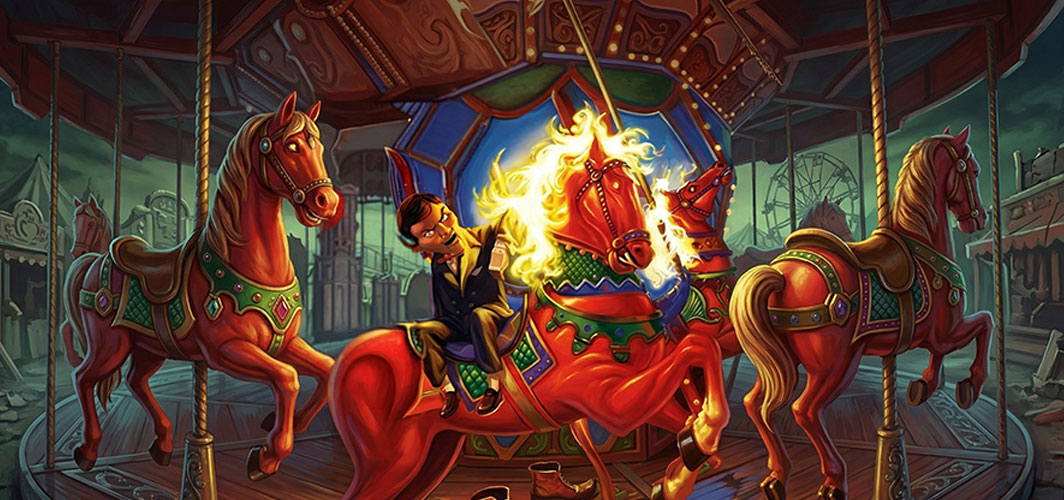
The Streets of Panic Park closes the first arc and offers the quintessential HorrorLand climax: a gauntlet in which many of the series’ monsters, villains and horrors work together to trap and torment the surviving characters. With help and hindrance from familiar faces—Slappy, Captain Long Ben One‑Leg, Inspector Cranium and others—the protagonists must face both their personal fears and the combined creativity of Stine’s rogue gallery. This finale underscores the town‑square horror of the park: individual scares are one thing, but a coordinated carnival of terror is an entirely different beast.
Escape from HorrorLand (2009)
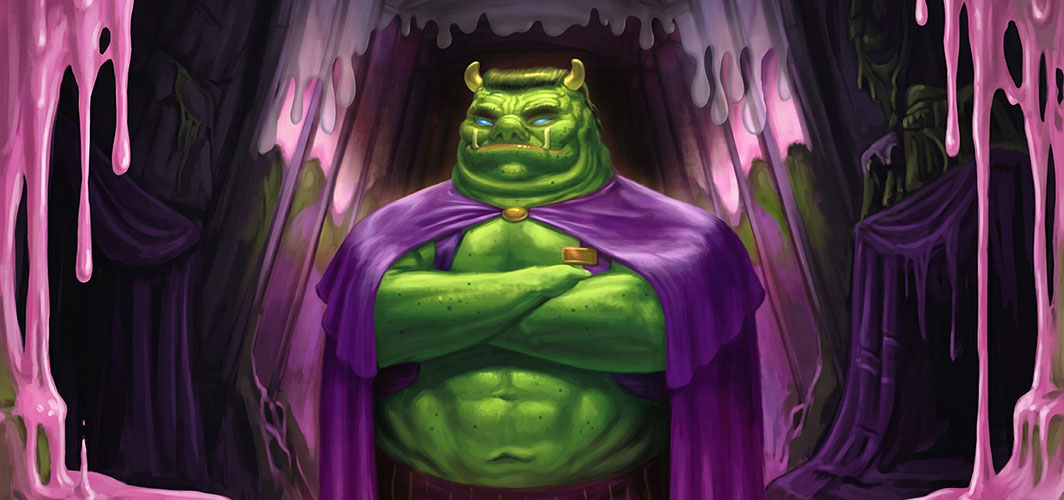
Escape from HorrorLand is the first major payoff of the crossover setup. Luke and Lizzy Morris return to the park to rescue the assembled “Very Special Guests,” only to find themselves pulled into Panic Park, where the series’ accumulated villains and hauntings converge. This book is significant because it consolidates earlier threads—the Haunted Mask, Captain Long Ben One‑Leg, Slappy and others—bringing a true ensemble of monsters and antagonists into a single, desperate struggle. The Menace, the arc’s shadowy mastermind, looms large, and the book demonstrates how HorrorLand’s catalogue of creatures functions collectively as a siege force against the protagonists.
Hey Horror Fans - Morty here, your officially curator of squeaks, shrieks and things that gnaw at socks in the night. This roundup is packed with slime, puppets and cursed curios, the kind of stuff that makes you check the closet twice and sleep with the light on. Did these twelve tales make your hair stand up? Did Slappy put a smirk on your pillow? Tell me: which story left your stomach doing cartwheels (and not the fun kind)? Drop your thoughts in the comments below... I’ll be lurking, taking notes, and maybe sharpening a tooth or two for the next list.
Keep Rotten"


