
Remembering Count Duckula: The Vegetarian Vampire
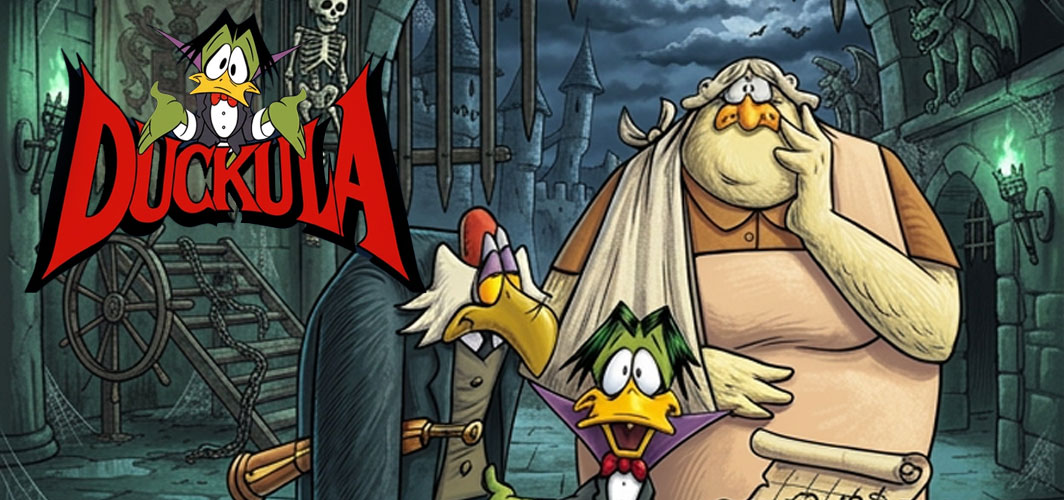
Count Duckula: the vegetarian vampire who turned gothic horror into children’s comedy
Count Duckula remains one of the most unusual creations in British animation: a vampire duck who wants fame, fortune, and broccoli sandwiches rather than blood. Introduced originally in Danger Mouse and later given his own series, he helped define a very particular kind of horror comedy, one where the trappings of gothic horror are twisted into absurdity. This was Horror light, a glimpse into macabre with a safety net. After all, we all love vampires… even vegetarian ones
Count Duckula was born in 1988, a time of heightened political tension. The Berlin Wall still stood, Northern Ireland was at the height of its Troubles and all eyes were on the Soviet-Afghan War. It was a time of denim jackets, Home and Away and a floppy disc (you know.. The SAVE ICON). And amongst all this, another thing was brewing. The Little Vampire book series was already eight books in, but it’s popularity was rabidly growing and other kmedia was beginning to dip its toes into the darker side. The 13 Ghosts of Scooby-Doo ditched the masked villain into true supernatural and monsters, The Trap Door was selling us stop-motion monstrous creatures from basement. Knightmare, Terrahawks, Worst Witch and Look and Read (The Dark Tower) all were delivering light horror to kids. Count Duckula was the perfect addition, delivering traditional animation, dark humour and lots of charm.
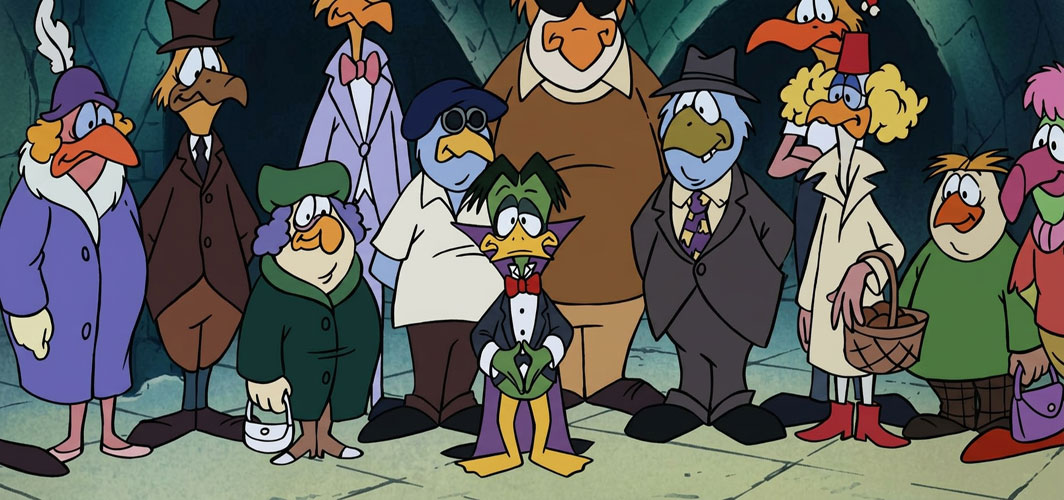
The series may have been made for children, but its castle, villains, rituals, and vampire mythology are all lifted from classic horror tradition. What changed was the tone, changing dread, chaos and bloodlust, into humour, vanity and crispy tossed salads. The character first appeared in Danger Mouse as a recurring villain, as a showy, faintly ridiculous vampire duck with ambitions way beyond his station. The crazed duck (also voiced by Danger Mouse’s David Jason) concept proved strong enough to support a spin-off, and Count Duckula (1988–1993) developed the character into the reluctant heir to a long line of monstrous ancestors… the Counts of Duckula! (Mwhahahah)
The show's entire joke is based around a single idea, that of a Vegetarian Vampire. The Duckula line is supposed to be terrifying, ancient and bloodthirsty, much like the traditional vampires we knew at the time. The current Count, however, is none of those things. A resurrection ritual goes wrong when Nanny, the show's slightly simple-minded maid, accidentally uses ketchup instead of blood, and the result is a vampire who is more interested in cauliflower and celebrity status than blood and power. Much of the comedy comes from the Counts repeated attempts to escape that inheritance soaked in ancient blood.
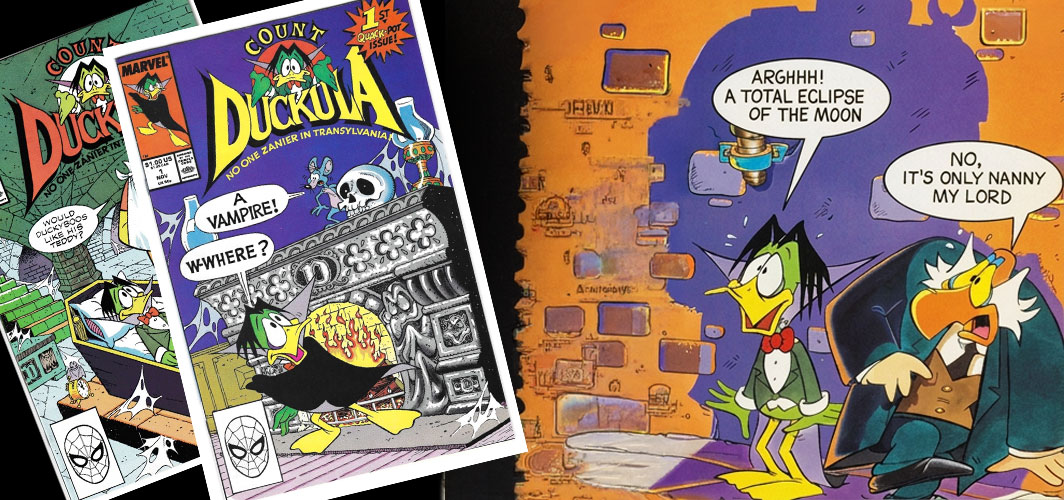
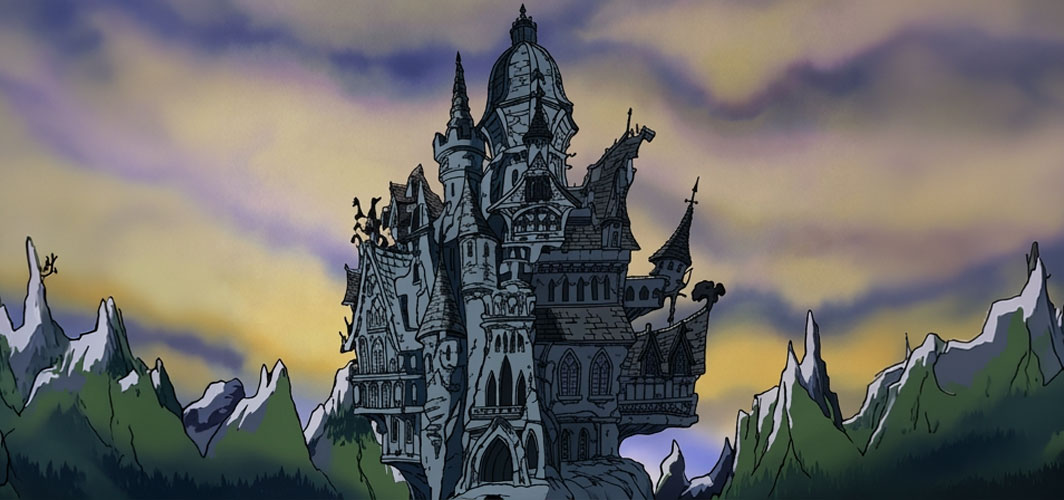
What gives the series its lasting appeal is the way it balances genuine horror iconography with broad character comedy. Duckula lives in Castle Duckula, a gloomy, gothic home packed with dungeons, laboratories, and other familiar trappings of the genre. There are vampire legends, supernatural enemies, and even hap-hazzard Vampire hunters. And yet despite the pressure to become this powerful vampire lord, all he wants to do is explore the world and achieve fame. It certainly gave the series a different shape from more straightforward comedy animations.
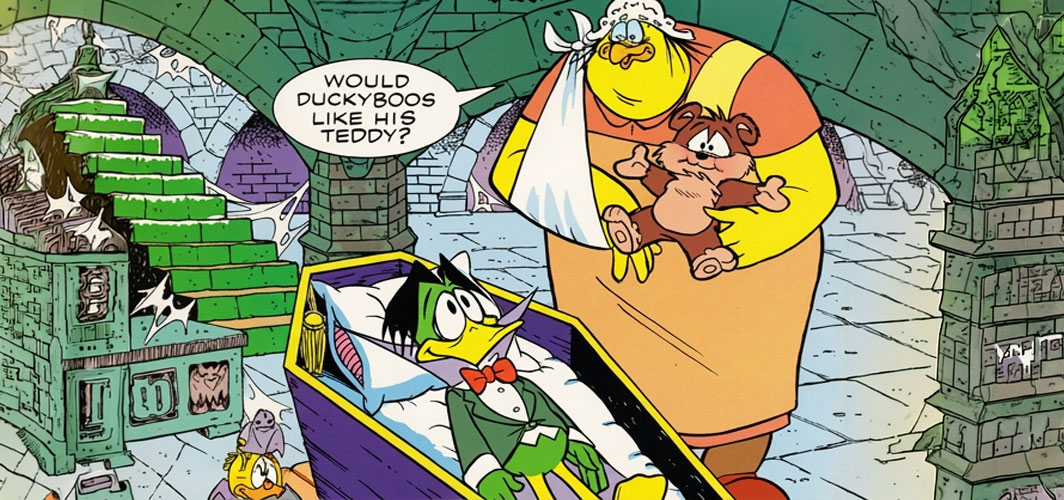
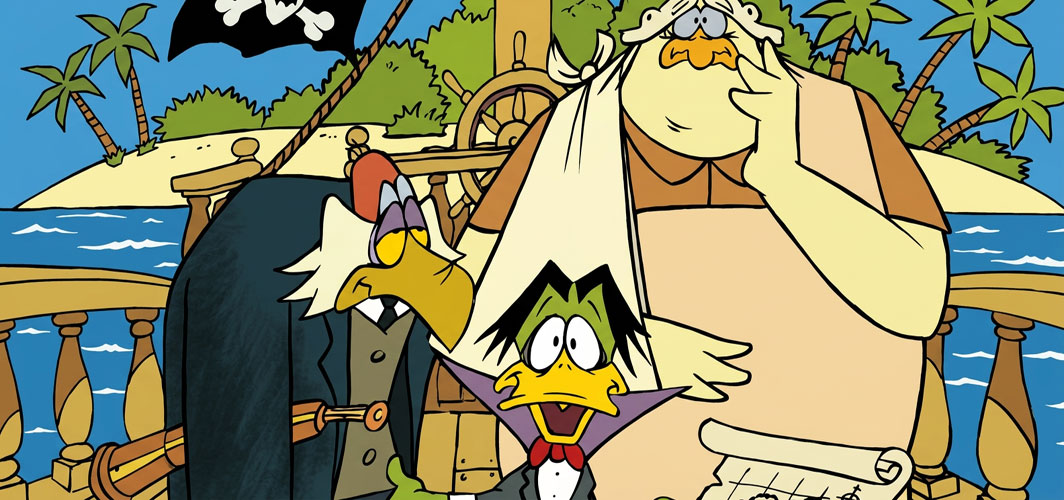
Whilst much of the series’ success came from the count, the strength of its supporting characters can not be overlooked. Igor, Duckula’s butler, is the most obvious link to traditional gothic horror. He is grim, dutiful, and deeply committed to the old ways. His frustration with Duckula’s vegetarianism and showbiz ambitions becomes a source of constant conflict. Meanwhile Nanny provides a different kind of chaos. She is clumsy, affectionate, and catastrophically literal-minded. Her repeated misunderstandings and physical mishaps are some of the show’s most reliable comic mishaps (and holes in walls). The other repeat charcarer is Dr. Von Goosewing, who serves as the series’ comic hunter figure, a spoof of the old vampire-hunter tradition. Together, these characters create a household of horror tropes and constant chaos.
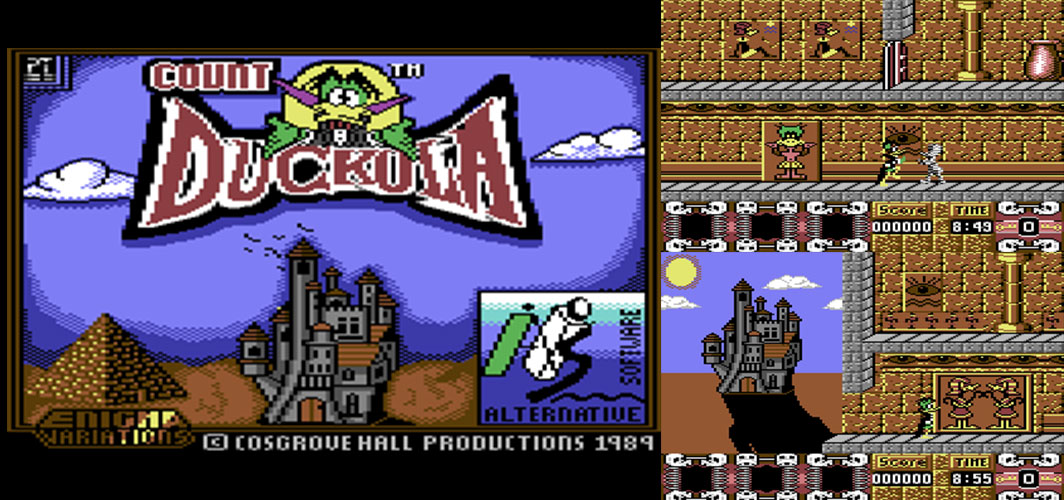
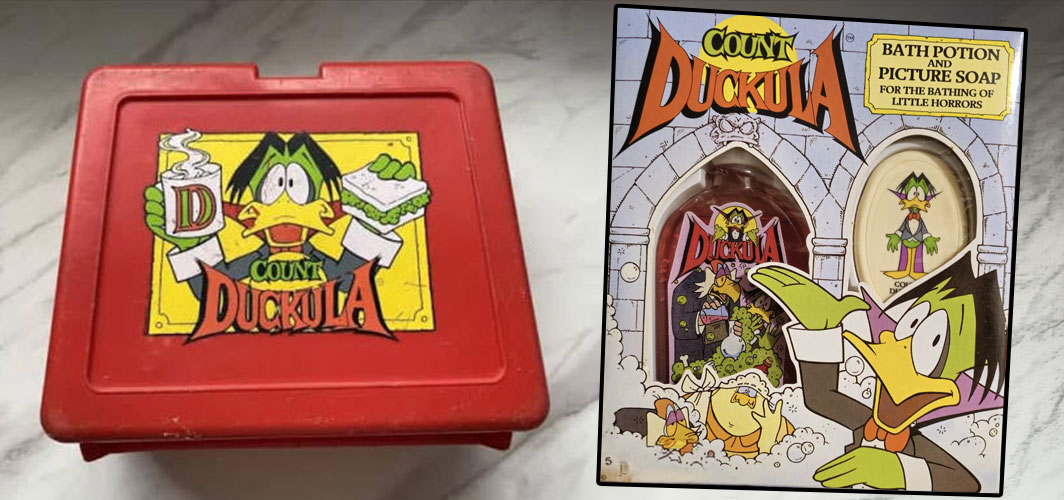
Animation company Cosgrove Hall had a very distinct style, or should I say, a very British one. Its humour was dry, strange and often deliberately repetitive filled with weird and nonsensical jokes that landed like a rotten tomato. However, even decades after its original run, Duckula remains memorable because he is such a clean comic idea. He is a vampire who cannot, or will not, be what vampires are supposed to be. He is vain, stubborn, and often disastrous, but he is also oddly sympathetic. And it's his legacy that carried over to other mediums such as comics, video games and even lunch boxes.
The series remains an important part of British children’s television history and a notable example of horror pastiche done well. It proved that gothic imagery could be used for comedy without losing its flavour, and that a monster could be more appealing when he is useless, vain, and chewing on a carrot. Count Duckula (1988–1993) endures because it understands something important about horror: the genre is often at its most flexible when it is allowed to laugh at itself. Count Duckula was for many, a safe place in a genre we were too young to be exposed to, but wanted to explore.
Hey Horror Fans - Splish splash I was taking a bath... and then a rabid leach creature attached itself to my eyeball. Yikes, this list is so chilling I may never take a bath again. How about it horror fans, will you be taking the dive back into bathroom breaks, or maybe you'll skip a few moving forward? Let us know in the comments below.
Keep Rotten"
"Morti" The Mortician
(The Editor)
Recent Post


Follow Your Fear!
Special Features

Rethinking The Terminator: How “John PRIME” Reshapes Sci-Fi’s Greatest Paradox

10 Creepy & Unsettling Websites Every Horror Fan Needs to Visit

American Horror Story 13: Returning Characters, Cast and Everything We Know So Far

Top 10 Horror Movie Nude Scenes of the 70s

British Horror Films of the 1950s: The Birth of Terror